---
title: Custom Reduce Functions
description: The reduce() function has to work slightly differently
to the map() function.
pubDate: 2026-08-17T09:53:44.266Z
antora:
editUrl: https://github.com/couchbase/docs-server/edit/release/8.0/modules/learn/pages/views/views-writing-custom-reduce.adoc
xref: xref:server:learn:views/views-writing-custom-reduce.adoc[]
---
[Consult the llms.txt file for a full list of contents](/llms.txt)
[View original HTML](/server/current/learn/views/views-writing-custom-reduce.html)
# Custom Reduce Functions
> The `reduce()` function has to work slightly differently to the `map()` function.
In the primary form, a `reduce()` function must convert the data supplied to it from the corresponding `map()` function.
The core structure of the reduce function execution is shown the figure below.
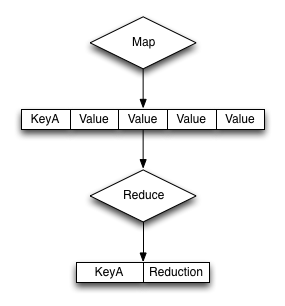
The base format of the `reduce()` function is as follows:
function(key, values, rereduce) {
…
return retval;
}
The reduce function is supplied three arguments:
* `key`
The `key` is the unique key derived from the `map()` function and the `group_level` parameter.
* `values`
The `values` argument is an array of all of the values that match a particular key. For example, if the same key is output three times, `data` will be an array of three items containing, with each item containing the value output by the `emit()` function.
* `rereduce`
The `rereduce` indicates whether the function is being called as part of a re-reduce, that is, the reduce function being called again to further reduce the input data.
When `rereduce` is false:
* The supplied `key` argument will be an array where the first argument is the
`key` as emitted by the map function, and the `id` is the document ID that
generated the key.
* The values is an array of values where each element of the array matches the
corresponding element within the array of `keys`.
When `rereduce` is true:
* `key` will be null.
* `values` will be an array of values as returned by a previous `reduce()`
function.
The function should return the reduced version of the information by calling the `return()` function. The format of the return value should match the format required for the specified key.